Stroke Warning Signs: Why Fast Action Can Save the Brain
A stroke happens when blood flow to a part of the brain is blocked or when bleeding occurs in or around the brain. Brain cells need oxygen every minute, so early recognition and quick hospital care can make a major difference in recovery.
Common warning signs
Many stroke symptoms appear suddenly. Watch for facial drooping, weakness or numbness in one arm or leg, trouble speaking, confusion, difficulty seeing, dizziness, loss of balance, or a severe headache that feels unusual. Even if symptoms improve after a few minutes, it can still be a transient ischemic attack, sometimes called a mini-stroke, and it needs medical evaluation.
Use the FAST check
- Face: Ask the person to smile. Does one side droop?
- Arm: Ask them to raise both arms. Does one arm drift down?
- Speech: Is speech slurred, confused, or difficult to understand?
- Time: If any sign is present, call emergency services immediately.
Why time matters
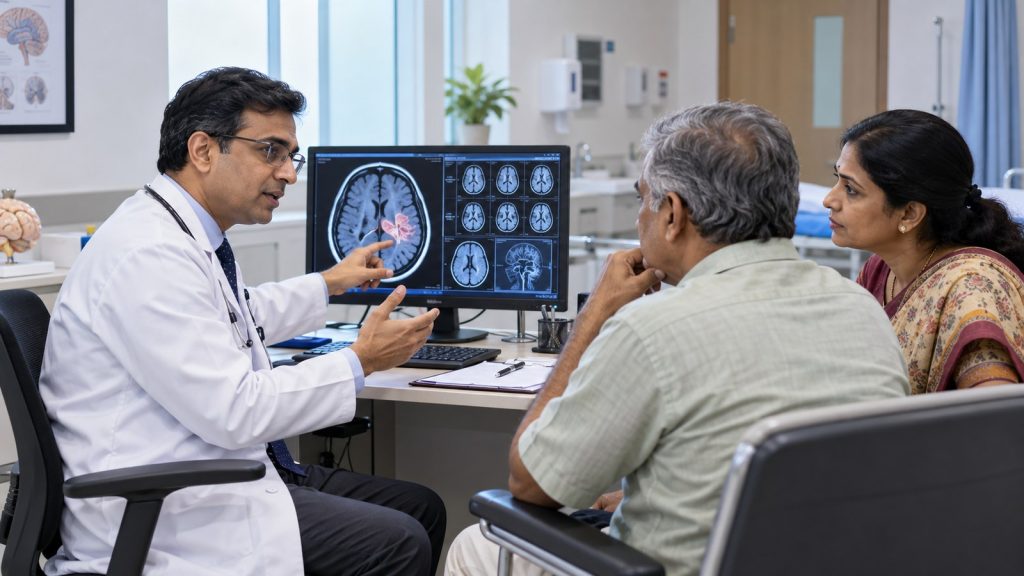
Some stroke treatments are time-sensitive. Reaching a hospital quickly allows doctors to confirm the type of stroke with examination and imaging, control blood pressure and sugar levels, and decide the safest treatment plan.
Lowering stroke risk
High blood pressure, diabetes, smoking, high cholesterol, obesity, irregular heartbeat, and physical inactivity can increase stroke risk. Regular health checkups, prescribed medicines, balanced food, activity, good sleep, and avoiding tobacco all support long-term brain and heart health.
This article is for health awareness only and should not replace a consultation with a qualified doctor. If symptoms are sudden, severe, or worsening, seek urgent medical care.